
HIMSS 2026 OpenClaw Strikes Back
AI is eating healthcare companies


Interoperability, pharmacists, AI builders, and the sheer scale of the health ecosystem
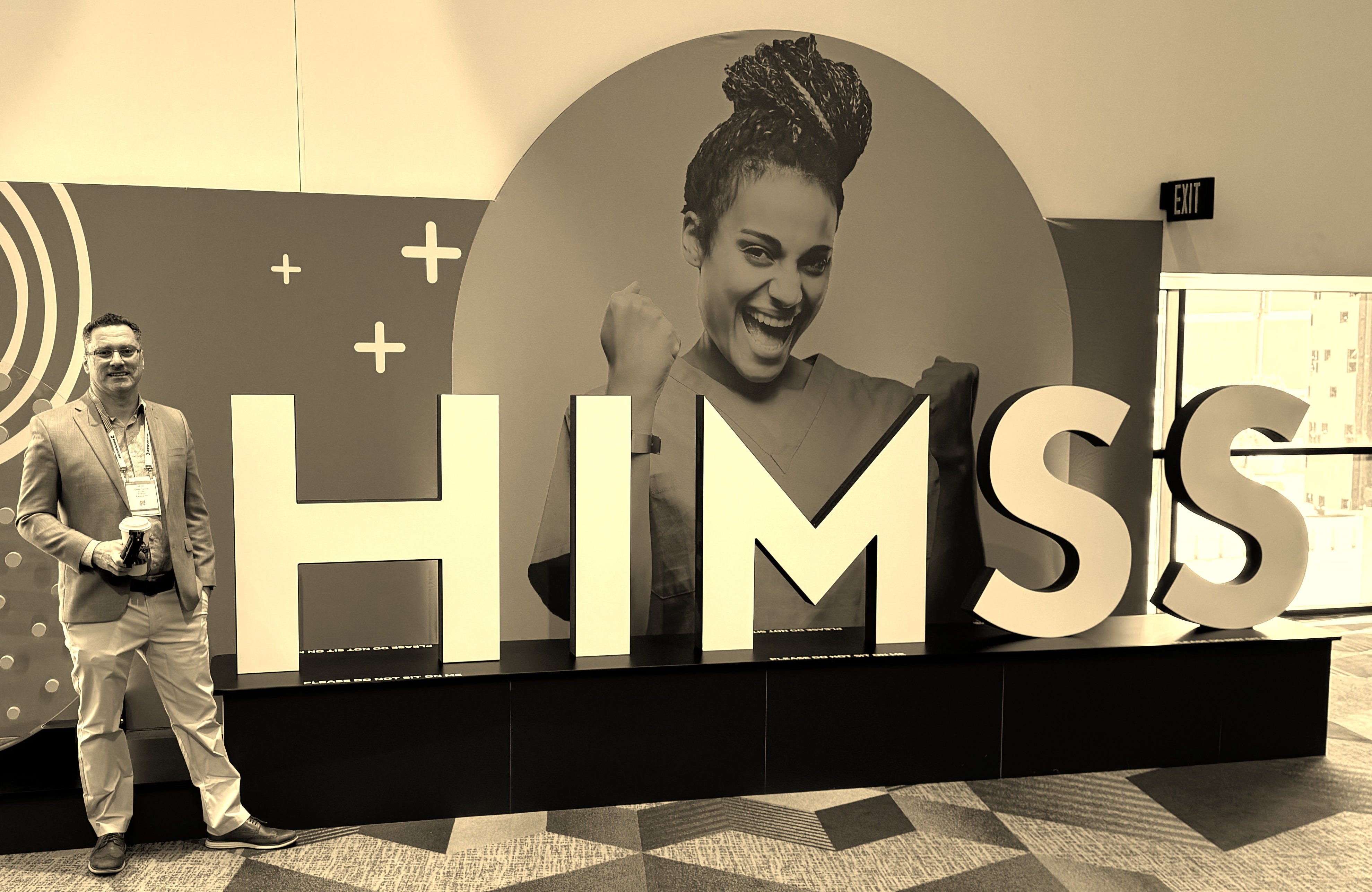
The first day at HIMSS Global Health Conference & Exhibition reminded me just how massive the healthcare ecosystem really is.
If you walk the show floor long enough, you’ll see everything: incredible innovation, vendors chasing the next contract, startups promising miracles, and more importantly a growing group of people genuinely trying to unlock value from healthcare data.
The day started at the interoperability forum where leaders across the ecosystem shared where things are actually heading. There was broad agreement on one point: the industry has made progress, but we are still far from realizing the full value of interoperability. Data still moves too slowly, and the benefits still take too long to reach the patient and the clinician.


The Missing Player: Pharmacists
One theme that stood out was the role of pharmacists. Pooja Babbrah reminded me we are still treating pharmacists as glorified shelf stockers not healthcare providers.
They are often the most consistent point of contact in a patient’s care journey sometimes seeing patients more frequently than their primary care physicians. For people managing complex or chronic conditions, pharmacists are critical members of the care team.
But the systems supporting them are still fragmented.
If pharmacists are expected to help manage complex medication therapies and chronic disease, they need access to the same longitudinal data that physicians and payers use. That means:
clinical data
medication history
payer insights
care plans and outcomes data
This is not just about one program or one regulation.
It touches quality measures, population health, medication therapy management, and the broader push to reduce cost while improving outcomes.
Real Progress: Data Finally Moving
One of the most exciting developments discussed was the continued progress in real data exchange across national networks.
Organizations are beginning to share data in ways that were only theoretical a few years ago. A major example highlighted was Clover Health becoming the first organization to share data through the CMS network monitor initiative using the Trusted Exchange Framework and Common Agreement infrastructure.
The work happening across the HL7 International Da Vinci Project continues to push payer-provider interoperability forward as well.
Hearing experts like:
reminded me how much work has quietly been happening behind the scenes for years.
Standards work can be slow and sometimes invisible, but these initiatives are what make scalable interoperability possible.
The HIMSS Reality
Walking the halls of HIMSS is always an interesting experience.
Yes, there is noise.
Yes, there are vendors chasing dollars.
Yes, the marketing machines are running at full speed.
But underneath that, there is also a genuine shift happening.
AI is beginning to reshape how healthcare software gets built. Faster and better less waste.
Not just incremental improvements.
Real redesign of workflows.
A New Builder Era for Healthcare
One of the most exciting shifts is something we’re only starting to see.
Entrepreneurs now have access to AI coding agents and development tools that simply didn’t exist a few years ago. Small teams or even individuals can build sophisticated healthcare applications much faster than before.
Instead of waiting for a handful of large vendors to innovate, we may soon see thousands of new health tech companies experimenting with new approaches to interoperability, analytics, and patient engagement.
Healthcare innovation is about to become far more decentralized.
Health Tech Nerds Take Over Vegas
Outside the conference sessions, the community moments were just as meaningful.
The Health Tech Nerds happy hour started slowly but quickly filled up as people from all over the ecosystem trickled in. Founders, engineers, clinicians, product leaders, and policy folks all ended up in the same room.
Those are always the best conversations.
Less sales.
More real talk about what’s working and what’s broken.
A smaller group of us kept the night going afterward, getting to know each other beyond job titles and company logos. Those relationships are often where the best collaborations start.
Final Thought from Day 1
If there’s one thing that stood out today, it’s this:
Healthcare is messy.
Healthcare is complicated.
But there is real momentum building.
Lets not lose this opportunity to put us in charge of our healthcare and take power back.
Interoperability is finally moving from theory to implementation. Pharmacists are starting to be recognized as key players in data-driven care. And AI is lowering the barrier to building entirely new types of healthcare tools.
If even a fraction of the ideas being discussed here turn into working products, the next few years in health tech are going to be fascinating.
More tomorrow from the HIMSS show floor.
HIMSS 2026 Games
To make the conference more interactive (and a little more fun), I’m running a small HIMSS 2026 challenge series throughout the week.
Each day I’m sharing a new “game” or challenge tied to building real skills in interoperability and health tech.
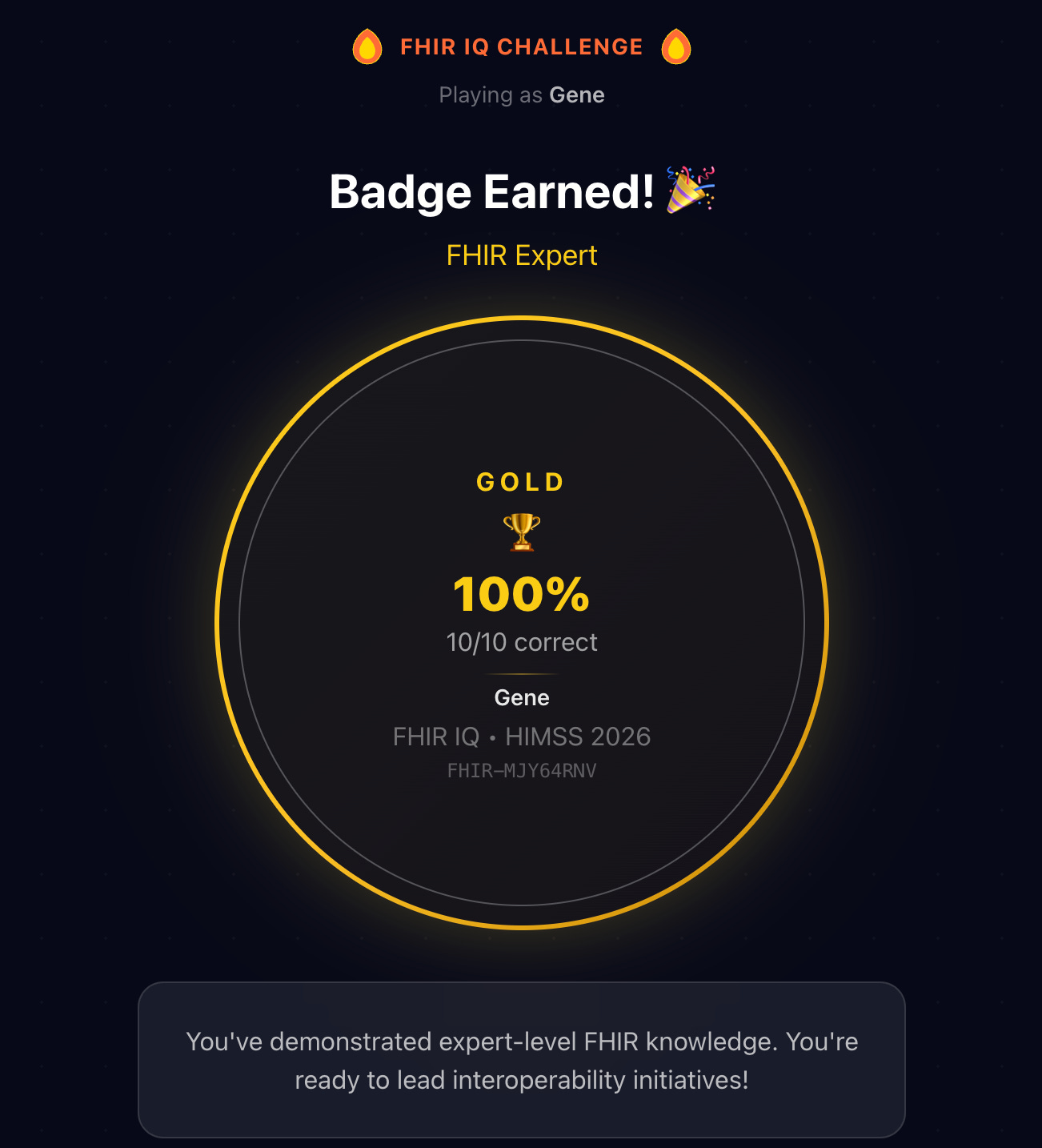
Day 1 — FHIR IQ Badge
Test your FHIR knowledge and earn your badge.
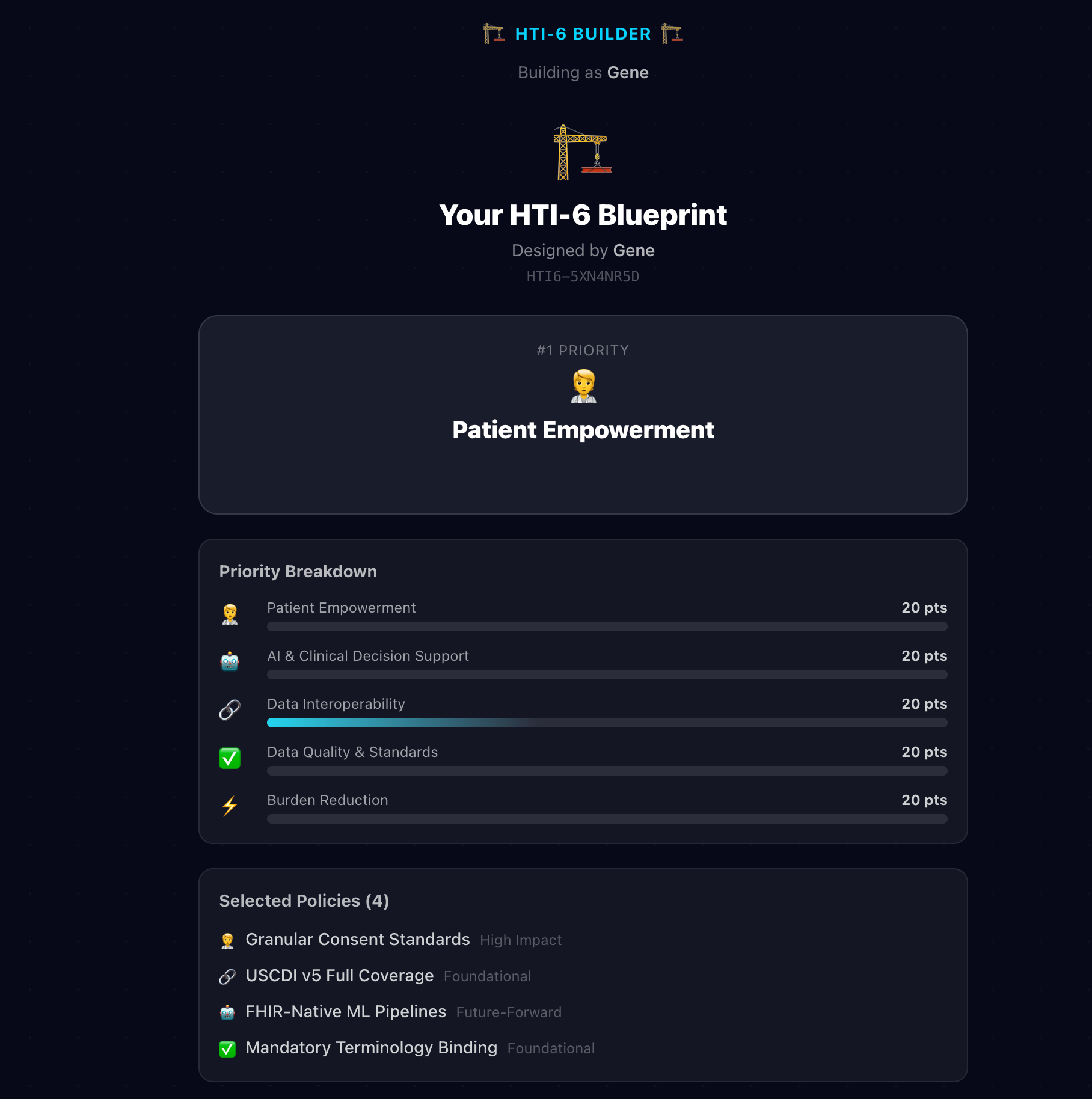
Day 2 — HTI-6 Builder
Explore how new HTI-6 rules unlock opportunities for builders and interoperability solutions.
Day 3 — Build Your Own Health AI Agent
Design and prototype a healthcare AI agent using modern coding tools and APIs.
New challenge every day during HIMSS. If you’re at the conference or following along remotely, jump in and try one.
 | A guest post by
|
Real progress data: finally moving is my takeaway. As we see in overall healthcare, the last 12 months much has been going on behind the scenes also. PBM‘s, Insurers and drug pricing are being affected for the better. Policy, market mechanisms, dis-intermediation having an effect. Much work to go, as with interoperability.